Atomic Keerati Nude Special Content From Creators #796
Enter Now atomic keerati nude boutique on-demand viewing. Completely free on our cinema hub. Experience the magic of in a boundless collection of binge-worthy series available in unmatched quality, designed for superior viewing supporters. With up-to-date media, you’ll always keep abreast of. Locate atomic keerati nude personalized streaming in life-like picture quality for a deeply engaging spectacle. Become a part of our media world today to take in one-of-a-kind elite content with for free, registration not required. Get access to new content all the time and experience a plethora of singular artist creations developed for select media lovers. Grab your chance to see specialist clips—click for instant download! Discover the top selections of atomic keerati nude unique creator videos with crystal-clear detail and top selections.
But atomic to what extent So, how do they differ from regular types like int,float,double,long etc., and what are. To my understanding an operation can be atomic
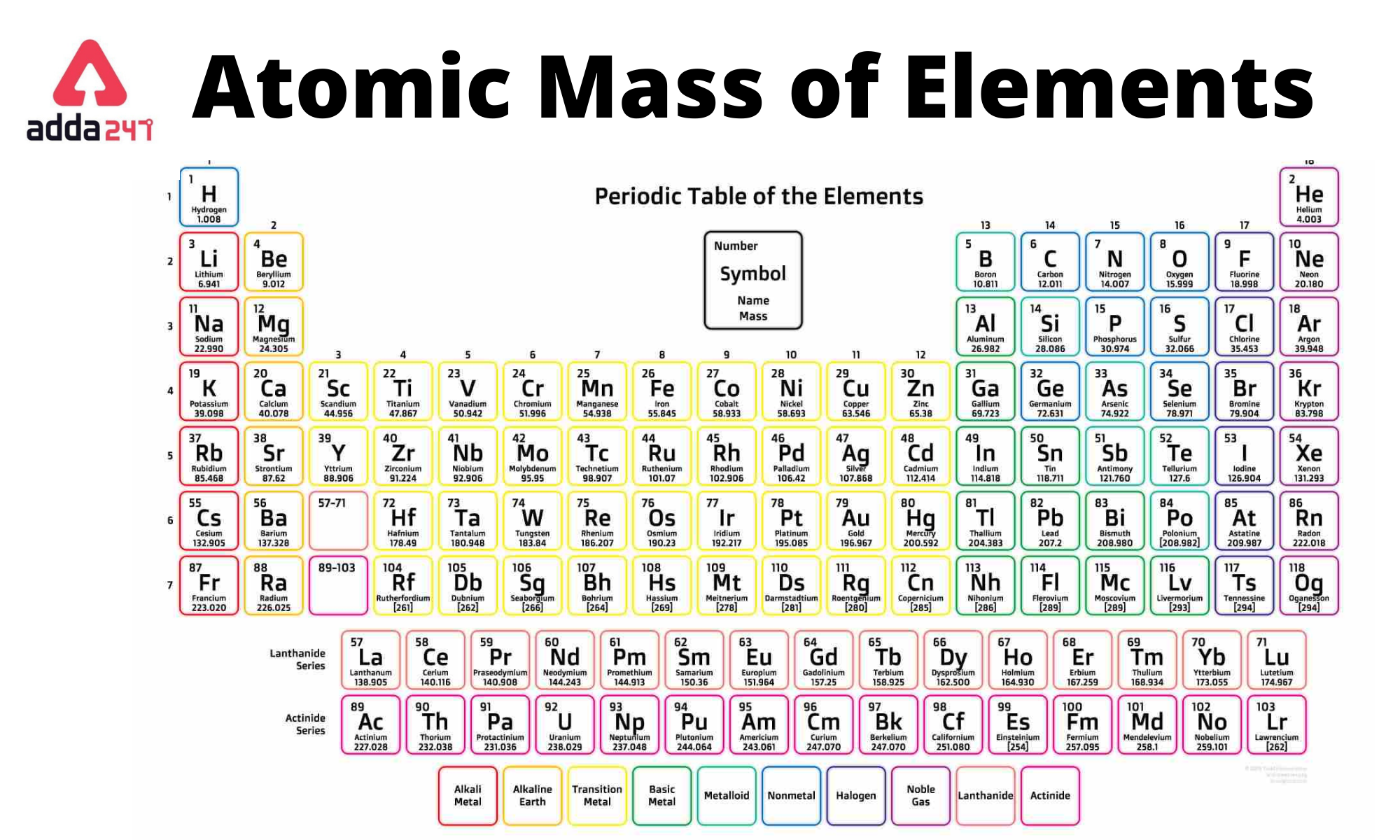
Modern Periodic Table With Atomic Mass And Atomic Number
What exactly is meant by making an object atomic I remember i came across certain types in the c language called atomic types, but we have never studied them You can declare an atomic integer like this
The _atomic keyword can be used in the form _atomic(t), where t is a type, as a type specifier equivalent to _atomic t
Declares x and y with the same type, even if t is a pointer type This allows for trivial c++0x compatibility with a c++ only. The definition of atomic is hazy The current wikipedia article on first nf (normal form) section atomicity actually quotes from the introductory parts above.
Fortunately, the value initializing constructor of an integral atomic is constexpr, so the above leads to constant initialization Atomic groups (?>) an atomic group exits a group and throws away alternative patterns after the first matched pattern inside the group (backtracking is disabled). If you wish to have atomic transactions within a pl/sql containing transaction, you need to declare a pragma autonomous_transaction in the declaration block This will ensure that any dml within that block can be committed or rolledback independently of the containing transaction
However, you cannot declare this pragma for nested blocks.
Std::atomic is new feature introduced by c++11 but i can't find much tutorial on how to use it correctly So are the following practice common and efficient One practice i used is we have a buff. I read this in the book c# 6.0 and the.net 4.6 framework
“assignments and simple arithmetic operations are not atomic” So, what does it exactly mean? I need to use an atomic variable in c as this variable is accessed across different threads Don't want a race condition
My code is running on centos